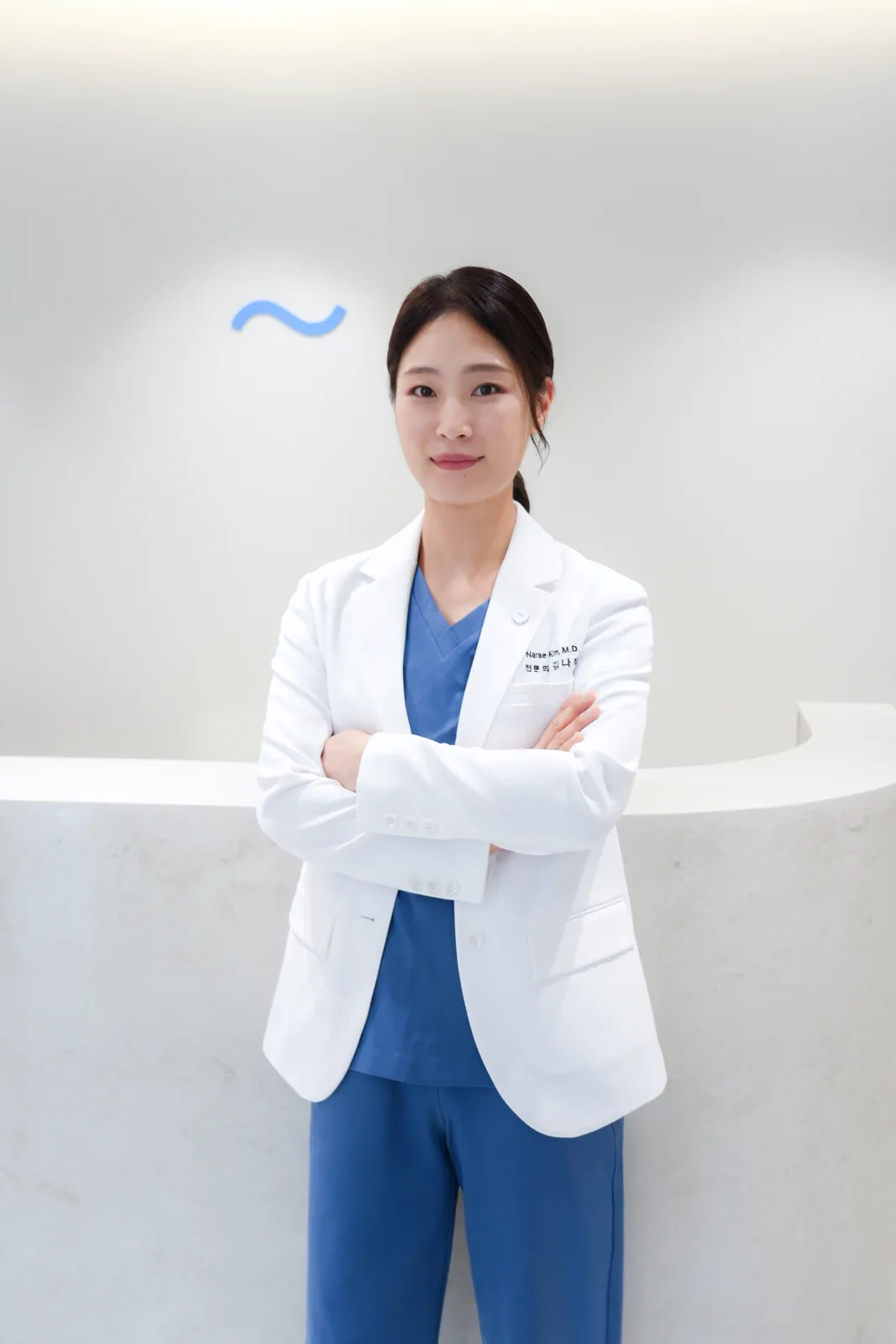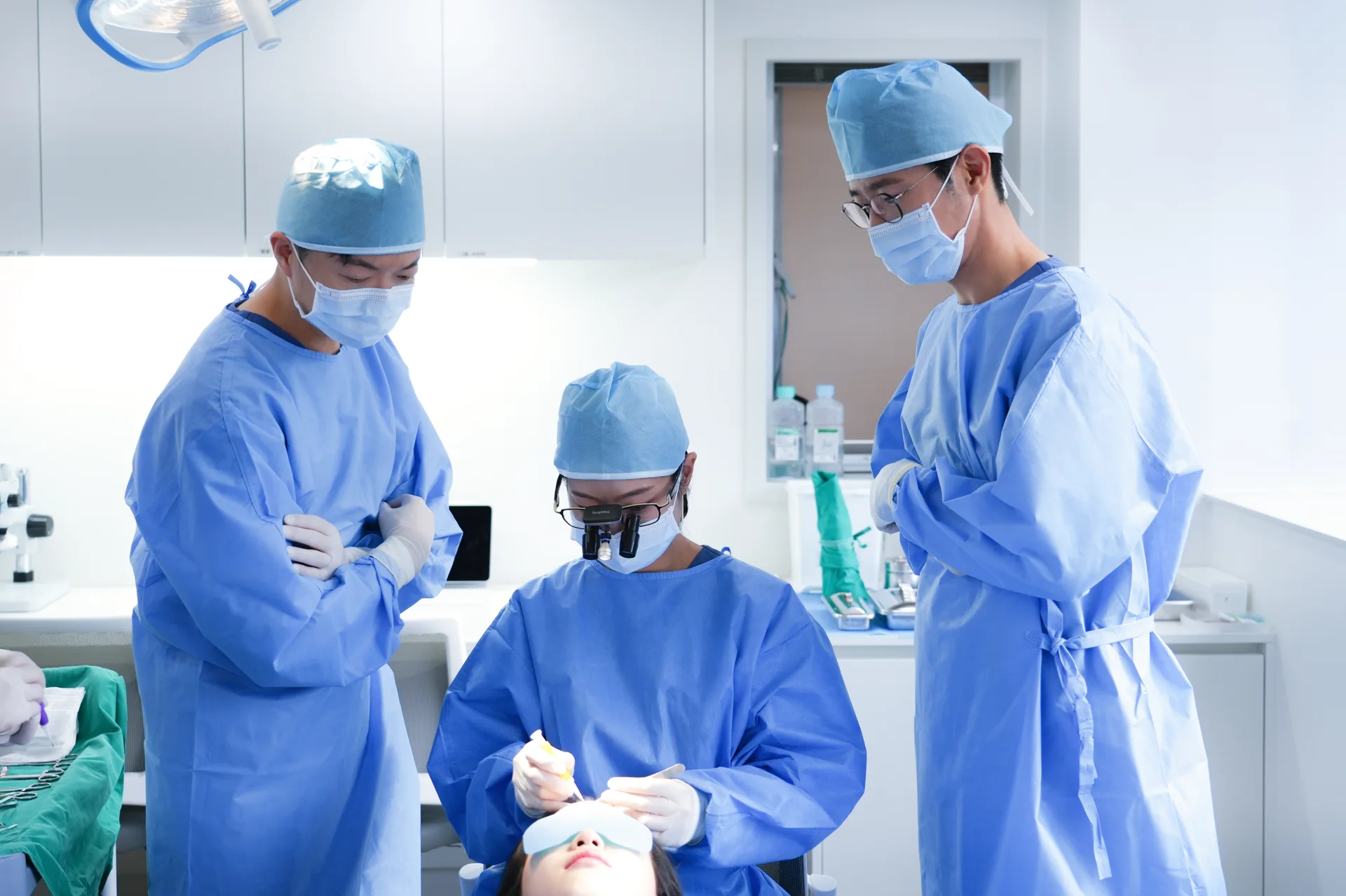


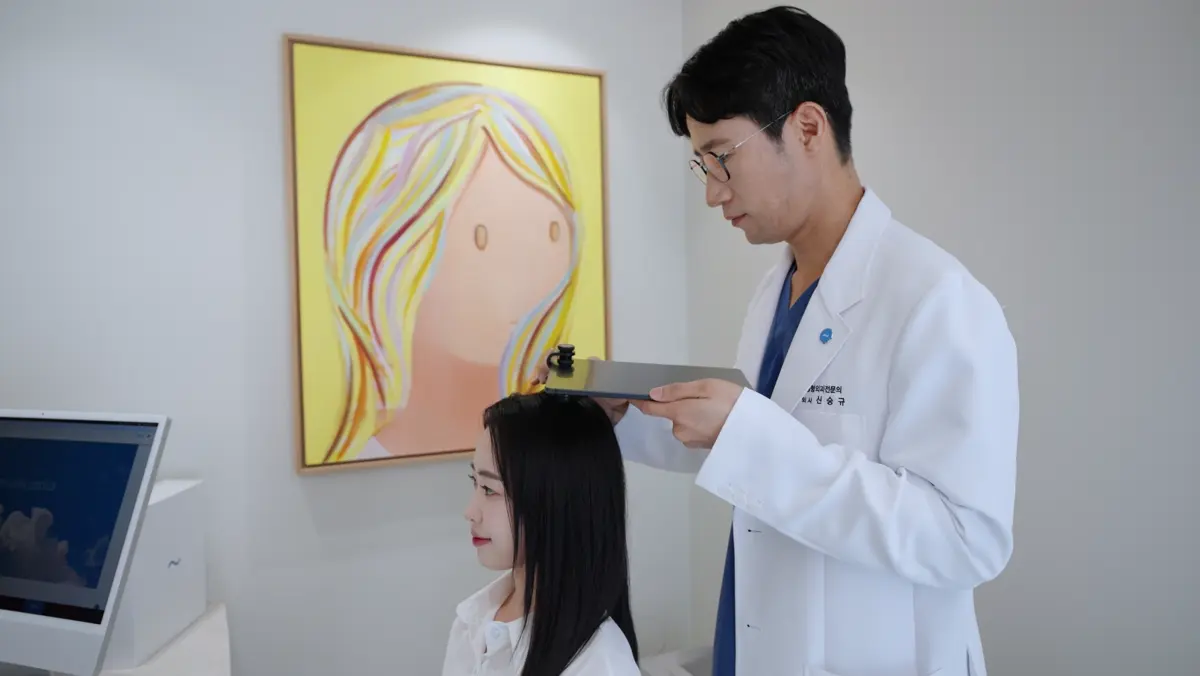
Brand photo provided by BANAL Plastic Surgery

Loading the film.

Open film in a new tab ↗
BANAL — Brand FilmSeoul, Korea

The freedom to live as yourself

Even on windy days,confident hair.

↓Scroll to meet BANAL
00:00/00:19

02 — BANAL Signature Treatments

Not one standard, but tailored to you.

Before deciding on a method,
we see you first.

We do not insist on a single surgery. From hair transplant to forehead reduction, we find the method that fits your condition and wishes together.

Brand photo provided by BANAL Plastic Surgery

Hairline Design

BANAL Signature Treatments / 01

Hairline Design

Not a line,
but designing your impression.

Hair you wanted to tie or sweep aside. Starting from your wish, we design a hairline that harmonizes hair thickness, direction, and density.

Learn More


Brand photo provided by BANAL Plastic Surgery

Hair Transplant

BANAL Signature Treatments / 02

Hair Transplant

More than filling in,
restoring the flow.

Rather than which method is better in general, we consider which method is better for you. We explain the advantages and disadvantages of strip and punch methods and find the approach that fits your scalp and hair condition.

Learn More
Brand photo provided by BANAL Plastic Surgery

Forehead Reduction

BANAL Signature Treatments / 03

Forehead Reduction

A few millimeters of change,
a considered balance.

Forehead height, facial balance, and scalp elasticity. Based on thorough diagnosis, we explain the safe lowering range and a scar management plan.

Learn More

Clinical expertise with empathy

03 / Our Medical Team

Three different doctors,
aligned in purpose.

Three board-certified physicians, each with 13 years or more of experience in hair transplantation. From design, taping, anesthesia, harvesting, and implantation to final finishing, a single operating surgeon takes full responsibility, working together with a surgical and graft-dissection team that has built close coordination over many years.

Meet the Doctors
Park Suho · Plastic Surgery Specialist · Chief Director

PARK SUHO

Park Suho

Plastic Surgery Specialist · Chief Director

“The most important thing is what the patient wants. If we only do what the doctor wants, eventually a second surgery will be necessary.”

Shin Seungkyu · Plastic Surgery Specialist · Chief Director

SHIN SEUNGKYU

Shin Seungkyu

Plastic Surgery Specialist · Chief Director

“From the first surgery, the order and method should be determined well. If the order is reversed, you may miss the best result.”

Kim Narae · Family Medicine Specialist · Chief Director

KIM NARAE

Kim Narae

Family Medicine Specialist · Chief Director

“We value natural beauty and facial harmony. We look at compatibility first for each individual.”

The BANAL Journal

04 / Thoughts from the Clinic

Honest stories
from the consultation room.

Knowing more helps you start choosing what suits you best.

View All

BANAL / Full of everyday life

Let your hair catch the wind.
Stay yourself.

Full hair, moving freely in the breeze. The everyday freedom of having nothing to hide.

01 / Her freedom

The flow of long hair.

Open film in a new tab ↗

02 / His freedom

Texture. Natural volume.

Open film in a new tab ↗

AI-generated brand concept film. Not an actual patient or a treatment result.

Not a different you, but more of who you are.

From hair you wanted to hide,
to a self you want to show.

Days you want to tie your hair. Moments you wish you could sweep your bangs aside. Walking without worrying when the wind blows. The change we envision goes beyond a few millimeters in the mirror — it is in your day.

BANAL Philosophy
3Specialists practicing together
1:1Designs that start from your wish
01BANAL House, only for you

BANAL Plastic Surgery

Introducing BANAL House

Year opened
2023
Departments
Plastic Surgery · Dermatology · Family Medicine

From reception to the operating room, with the same mindset

At BANAL, we place importance on kind and attentive support from reception through to the operating room. Our medical staff who listen carefully, together with a team that has worked closely with them for a long time, strive to help you feel at ease and build trust throughout your course of care.

01 / Your real questions, not search keywords

When a concern becomes a conversation.

Questions and explanations from BANAL’s clinical notes. Not live AI consultation or a personal diagnosis.

Question: Do you consider styles where I tie my hair?
BANAL clinical notes

Yes. We consider your usual ways of tying or sweeping hair and which areas are exposed in the consultation.

Read the story in full
Question: Which is better, strip or punch?
BANAL clinical notes

There is no single always‑better method. We decide by evaluating occipital donor condition, graft needs, scar preference, and prior surgeries.

Read the story in full
Question: Will there be no scar?
BANAL clinical notes

Forehead reduction involves an incision and will leave a scar. We plan to minimize visibility through incision location, tension control, suturing, and aftercare.

Read the story in full
Question: Should I get a hair transplant as soon as hair loss starts?
BANAL clinical notes

Not necessarily. Identify the cause and consider non‑surgical options like medication first.

Read the story in full

This tool is for educational purposes to help understand the content of the manuscript. It does not provide diagnoses, recommend surgery, or predict treatment outcomes, and selections are not transmitted to or stored on the server.

08 / Follow your questions through

From your concern to a story worth reading.

Choose a topic to explore related notes. This is reading navigation, not diagnosis or treatment advice.

For areas like the crown where hair loss is progressing, we can first assess the suitability and likely response to medication. We look not only at where to add hair but also at the hair to be preserved.

Revision Surgery

At first the goal was simply to look better, but later the wish becomes only that the surgery not be noticeable. Revision surgery listens to that wish, identifies the causes of awkwardness, and rediscovers remaining options.

Read the story in full

Crown Transplant

Treating the crown is not just about filling a bare spot. From the start you must plan together: which hairs to preserve with medication, the limited donor resource in the occipital area, the cowlick’s directional flow, and the risk of concomitant shedding.

Read the story in full

The areas that show when lowering bangs, revealing the forehead, or tying hair back are different. We consider not only height but also the M-shape, temples, and sideburns together.

We assess density revealed by parting, the M-shape and sides, and scalp elasticity and thickness to distinguish the roles of forehead reduction and hair transplantation.

How to Reduce Forehead Reduction Scars

Editorial summary: Scarring is not just a matter of how you suture. From scalp assessment to the incision line, relaxation of the galea, fixation, and layered suturing — we explain step by step the processes we inspect to reduce the tension placed on the skin. Brand: BANAL.

Read the story in full

Discomfort After Forehead Reduction

Editorial summary: Sensory changes, red scars, the foreign-body feeling of fixation devices, and concurrent shedding of surrounding hairs. We want you to be fully informed not only about the improved appearance but also about the time it takes to get there before you decide. Brand: BANAL.

Read the story in full

Appropriate treatment differs according to cause and stage of hair loss, pregnancy or breastfeeding status, diseases, and medications. Do not start or stop medications arbitrarily.

New Hair Loss Treatments

Editorial summary: With every new drug and device there are expectations and questions. BANAL’s attitude is to review the evidence without rushing in just because something is trendy, and without dismissing it simply because it is unfamiliar. Brand: BANAL.

Read the story in full

This tool is for educational purposes to help understand the content of the manuscript. It does not provide diagnoses, recommend surgery, or predict treatment outcomes, and selections are not transmitted to or stored on the server.

In our doctors’ own words

Rather than good words,
thoughts we keep in the clinic.

Why we do not choose a method first. Why we learn again from the patient's words. Why sometimes we cannot easily recommend treatment. The director's own writing reflects what BANAL as a clinic is.

Brand photo provided by BANAL Plastic Surgery
Hairline Design

We Ask for the Reason Behind the Desired Shape, Not Just the Shape.

A difference of a few millimeters to a doctor can be a big difference for someone who ties their hair every day.
From BANAL clinical manuscript

At first, patients' requests may sound unfamiliar. But if we listen a little more, each request contains a reason they have been uncomfortable for a long time. There is the place they noticed every morning when looking in the mirror, the area they covered with hair whenever taking photos, the reason they had to always part their hair in the same direction for life.

So we first try to understand why the patient wants that design. Once we know the reason we empathize, and if we empathize the design changes.

Read this story separately
Brand photo provided by BANAL Plastic Surgery
Hair Transplant

So you can do the hairstyle you want again

You have less to work with than in the first surgery, and more that must be done.
From BANAL clinical manuscript

The goal of revision surgery does not always have to be a perfect hairline. It can be reducing morning styling time, worrying less when the wind blows, being able to tie or sweep back the hair without fearing others will notice an odd hairline. I like revision surgery because it can return those ordinary daily things to people.

Read this story separately
Brand photo provided by BANAL Plastic Surgery
Hair Loss Care

We Don't Start with Expensive Treatments

Quoted source text: "Rather than special treatments, the necessary treatments come first."
From BANAL clinical manuscript

A clinic can offer many treatments. But offering something doesn't mean every available treatment should be done. First protect what you have with medication, add one more treatment if what's done is insufficient, and consider surgery for areas that require it. Prioritize necessary treatments over special ones. Prioritize treatments you should have over those you could have.

This is generally the order in which we start hair loss treatment.

Read this story separately
AI-generated macro brand film of hair fibers
BANAL / A closer look at each strand

The texture of natural hair

Naturalness,down to a strand.

A close look at the texture of hair. Not actual anatomy or a treatment result.

The film plays automatically. Use the slider to explore individual moments.

Watch the film

AI-generated brand concept film. Not an actual patient or a treatment result.

Stories beyond the hairline

A hairline is not just a line.

Ask this in consultation

  1. Height and Range of Change ↗

    What changes and difficulties occur when the desired height is lowered?

  2. Sides and Sideburns ↗

    Can you also consider the sides that are exposed when I tie my hair back?

  3. Hair Direction and Angle ↗

    Are there styles that are difficult to create because of the direction of my existing hair?

  4. Thickness and Border Density ↗

    Given my hair thickness, what range of naturalness can I expect?

Explore for yourself

06 / The design of natural‑looking results

Naturalness is designed together.

A conceptual overlay of four design criteria. Not actual anatomy or a prediction of surgical results.

  1. 01Height and Range of Change
  2. 02Sides and Sideburns
  3. 03Hair Direction and Angle
  4. 04Thickness and Border Density

Educational schematic explaining the frontal and lateral hairline, hair direction, and boundaries

01

Height and Range of Change

The lower you set it, the more it moves away from your existing hair and you must create a new border using only the transplanted hair. Even lowering the line by the same amount can look different depending on hair conditions. Once a lowered line is raised again it is difficult, so consider whether this is the look you want now and in the future.

02

Sides and Sideburns

When you tie your hair back or tuck it behind your ears, not only the front but also the temples and sideburns are revealed. Small empty spaces can appear differently depending on the hairstyle. We evaluate the sides by looking at the low angles that follow the facial contour and the flow of the hair.

03

Hair Direction and Angle

Whether to lay a single hair a bit flatter, or how to match the direction with adjacent hairs, changes the flow. Cowlick correction is not just about increasing the number of grafts; it considers how the existing hair and the new hair will blend.

04

Thickness and Border Density

Fine hairs at the front, density at the back, and small irregularities together create a natural border. It is not decided by fullness alone. Thick hairs and a lack of fine baby hairs can be limits to what can be expressed.

This is not a test that decides the correct answer for you. It's a space to compare methods, see the reasons behind design choices, and prepare questions to discuss in consultation.

Explore for yourself

03 / Two methods, different considerations

Not one right answer. The criteria to compare.

Incisional and non-incisional techniques are complementary like a scalpel and scissors. First select a comparison topic to see how the two approaches view things differently.

Donor harvest and scarring

Strip hair transplantation · FUT

Scalp tissue from the occipital (back) area is harvested and individual follicles are then dissected. A linear scar may remain, so scalp elasticity and hairstyles that could reveal the scar should be considered together.

Non-strip hair transplantation · FUE

Follicular units are harvested with small punches. The term "non-incisional" does not mean there are no scars. Point-like scars and changes in donor density after harvesting should be taken into account.

Occipital donor resources

Strip hair transplantation · FUT

We check scalp elasticity and the amount of tissue that can be harvested. If occipital volume is considered important, the strip method may be reviewed, but scars and prior surgeries must also be evaluated.

Non-strip hair transplantation · FUE

Because follicles are taken individually, their distribution and the density to be preserved must be reviewed. We avoid excessive harvesting and consider future hair loss and the possibility of additional surgeries.

Previous surgeries

Strip hair transplantation · FUT

A history of multiple strip procedures or poor elasticity can limit options. Prior strip scars and tissue condition must be assessed.

Non-strip hair transplantation · FUE

If multiple prior FUEs have reduced donor resources, other methods should be considered alongside. The choice made for the first surgery can affect later choices.

Daily life and recovery

Strip hair transplantation · FUT

If long periods spent face down are difficult or cost is an important factor, discuss this during consultation. Discomfort at the incision site and post-op care plans should be explained individually.

Non-strip hair transplantation · FUE

This may be considered if there is significant concern about a linear scar or a strong fear of incisions. We cannot guarantee that there will be no pain or that you can immediately return to daily activities.

This tool is for educational purposes to help understand the content of the manuscript. It does not provide diagnoses, recommend surgery, or predict treatment outcomes, and selections are not transmitted to or stored on the server.

Brand photo provided by BANAL Plastic SurgeryNo filter.
Just honesty.

03 — The BANAL Promise

So we can be proud
of both process and result.

Not recommending unnecessary surgery. Being honest about what is possible and what is difficult. We aim to be a clinic that practices these basic principles every day.

01

We provide appropriate treatment.

Incisional, non-incisional, forehead reduction, hair loss treatment. We recommend the treatment that best fits each person's situation. Just because many treatments are available does not mean all of them must be done.

02

We are not ashamed.

Honest communication, transparent pricing, accurate graft counts. From design, preparatory taping, and anesthesia through harvesting, implantation, and final finishing, one operating surgeon takes direct responsibility. Our staff members should be able to explain to patients, with the same confidence, exactly what the physician has explained.

03

We understand our patients well.

First we listen carefully to what is uncomfortable and what the patient wants, and then we work together to find a method based on the practitioner's experience and knowledge. What the doctor thinks is a good design and what the patient wants may not be the same.

BANAL Philosophy

04 / Care continues over time

The time to the result is also part of the consultation.

When considering hair transplantation and forehead reduction, review the steps you should check. Recovery timelines vary depending on the surgical method and individual condition.

A consultation to hear your wishes

We first share what is currently bothering you, what hairstyles you usually wear, and what styles you want to try. Reference photos only help the conversation and are not a guarantee of identical results.

Confirm conditions and alternatives

We check scalp elasticity and thickness, hair thickness and density, and remaining occipital donor resources. Before deciding on surgery, we explain whether medication should be tried first and what roles hair transplantation and forehead reduction would each play.

Decide on design and order

We look at height, sides, and preferred hairstyles together. If a forehead reduction incision overlaps an M-shaped area, we consider transplantation after recovery, and depending on conditions we can discuss temples and sideburns together.

Surgery and initial care

The surgeon and surgical team share the plan. After surgery, you should receive explanations and contact methods regarding wound care, swelling, pain, and sensory changes. Even transplanting long hair requires recovery and care.

Waiting period

Temporary thinning may occur due to shedding of transplanted hair or concurrent loss of existing hair. After forehead reduction there may be red scars, sensory changes, or the foreign-body sensation of fixation devices. Timing, degree, and recovery vary by person.

Follow-up and next plan

We do not judge the final result based only on the immediate postoperative appearance. We observe hair growth and scarring together and discuss further treatments if needed. Management of hair loss in existing, non-transplanted hair may also be required separately.

Question card to bring to the consultation
Treatment space at BANAL House

A quiet, private time just for you

Calmness that lasts
through the moment of care.

Windows looking out over a park, an appointment system that does not allow overbooking, and consultation, treatment, surgery, and recovery areas separated by floor. BANAL HOUSE is designed to reduce waiting and unplanned encounters with other patients.

Visit us at BANAL House
66, Sinbanpo-ro 47-gil, Seocho-gu, Seoul, BANAL House

05 / The clinical principles we stand by

Our Commitments

Not recommending unnecessary surgery. Being honest about what is possible and what is difficult. We aim to be a clinic that practices these basic principles every day.

01We provide appropriate treatment.

Incisional, non-incisional, forehead reduction, hair loss treatment. We recommend the treatment that best fits each person's situation. Just because many treatments are available does not mean all of them must be done.

Read every principle
02We are not ashamed.

Honest communication, transparent pricing, accurate graft counts. From design, preparatory taping, and anesthesia through harvesting, implantation, and final finishing, one operating surgeon takes direct responsibility. Our staff members should be able to explain to patients, with the same confidence, exactly what the physician has explained.

Read every principle
03We understand our patients well.

First we listen carefully to what is uncomfortable and what the patient wants, and then we work together to find a method based on the practitioner's experience and knowledge. What the doctor thinks is a good design and what the patient wants may not be the same.

Read every principle
04We will keep time.

We do not overbook. We allow ample time for each individual consultation or treatment and operate our schedule so that you can move to the designated treatment space at your reserved time. Some waiting may occur depending on the clinical situation.

Read every principle
05Costs are transparent.

Instead of telling you that costs are only disclosed after consultation, instead of applying discounts that vary from person to person, we offer everyone accurate and transparent information about fees. We distinguish between graft counts and follicular unit counts, and we clearly explain the surgical area and what is included.

Read every principle
06Meaningful work comes first.

Although these are more difficult and demanding procedures, we place great value on the reward of seeing an improved appearance. We do not charge an additional fee simply because the procedure is a revision from another clinic or a scar-related surgery. This does not mean that the surgery itself is free, and the basic fees according to surgical method and scope are explained separately.

Read every principle

07 / Clinical Notes Collection

Turn the pages. Find your story.

Swipe through the clinical notes. Images are clinic-provided brand materials, not patient treatment results.

Brand photo provided by BANAL Plastic Surgery

Hairline Design

What kind of hair do you want

When you wear your bangs down versus tying your hair up, different areas become noticeable. We don’t just consider proportions; we ask about your usual style, the looks you want to try, and the limits of expression.

Read the story in full
Brand photo provided by BANAL Plastic Surgery

Hair Transplant

Revision Surgery

At first the goal was simply to look better, but later the wish becomes only that the surgery not be noticeable. Revision surgery listens to that wish, identifies the causes of awkwardness, and rediscovers remaining options.

Read the story in full
Brand photo provided by BANAL Plastic Surgery

Forehead Reduction

How to Reduce Forehead Reduction Scars

Editorial summary: Scarring is not just a matter of how you suture. From scalp assessment to the incision line, relaxation of the galea, fixation, and layered suturing — we explain step by step the processes we inspect to reduce the tension placed on the skin. Brand: BANAL.

Read the story in full
Brand photo provided by BANAL Plastic Surgery

Hair Loss Care

Hair Loss Medication and Treatment

Editorial summary: New and expensive treatments do not always need to come first. We prioritize preserving hairs that can be maintained with medication first, and then consider adding other treatments and surgery if necessary. Brand: BANAL.

Read the story in full
Brand photo provided by BANAL Plastic Surgery

Hair Transplant

Long Hair Transplant

When you want a change but hesitate because you worry the surgery will be obvious. Long‑hair transplantation is an option that considers not only the result but also your mental comfort from the moment after surgery through recovery.

Read the story in full
Brand photo provided by BANAL Plastic Surgery

Hairline Design

Design the Patient Wants

A doctor’s standards and a patient’s wishes do not always match. We first listen to why you want a particular shape, then find a design together within what is feasible—BANAL’s way of thinking.

Read the story in full

01 / 06

Beyond a slogan, the full story of our care.

Conversations we'd like to spend more time on in the consultation room

View All

Some things cannot be explained in a few lines of advertising copy. Reasons for choosing a method, small differences in design, decisions not to operate, and the mindset of waiting for recovery. Read BANAL's manuscripts by topic.

Hair Transplant

Revision Surgery

At first the goal was simply to look better, but later the wish becomes only that the surgery not be noticeable. Revision surgery listens to that wish, identifies the causes of awkwardness, and rediscovers remaining options.

Read the story in full
Hairline Design

What kind of hair do you want

When you wear your bangs down versus tying your hair up, different areas become noticeable. We don’t just consider proportions; we ask about your usual style, the looks you want to try, and the limits of expression.

Read the story in full
Forehead Reduction

How to Reduce Forehead Reduction Scars

Editorial summary: Scarring is not just a matter of how you suture. From scalp assessment to the incision line, relaxation of the galea, fixation, and layered suturing — we explain step by step the processes we inspect to reduce the tension placed on the skin. Brand: BANAL.

Read the story in full
Forehead Reduction

Discomfort After Forehead Reduction

Editorial summary: Sensory changes, red scars, the foreign-body feeling of fixation devices, and concurrent shedding of surrounding hairs. We want you to be fully informed not only about the improved appearance but also about the time it takes to get there before you decide. Brand: BANAL.

Read the story in full
Hair Loss Care

Hair Loss Medication and Treatment

Editorial summary: New and expensive treatments do not always need to come first. We prioritize preserving hairs that can be maintained with medication first, and then consider adding other treatments and surgery if necessary. Brand: BANAL.

Read the story in full

Let’s talk

FAQ

View All
01What should I prepare before consultation?

Prepare details of the change you want, current medications, and past surgeries or medical history. Photos of your usual hairstyle or past photos can help.

02Do I have to decide on surgery the day of consultation?

No. Take time to understand expected changes, limitations, risks, and costs before deciding.

03Who performs the surgery?

At BANAL, the operating surgeon is responsible from design to completion. Confirm the assigned surgeon and surgical scope during consultation.

04How long does the surgery take?

Duration varies by method, scope, graft count, and past surgical history. We provide an individualized estimate after consultation.

Your next chapter

Starting by listening to your story.

From the hair style you want to your long‑standing concerns and small questions. We will take time and talk with you without rushing.

BANAL — Beyond the WindCampaign Film / 00:19

Brand film provided by the clinic · This video does not guarantee treatment results.

A consultation without pressure to decide

Starting by listening to your story.

From the hair style you want to your long‑standing concerns and small questions. We will take time and talk with you without rushing.

02.540.0700

Weekdays 09:00 — 19:00
Saturday 09:00 — 17:00

Visit InformationInternational Patients

Consultation and reservations by language · English

You will be redirected to an external service. Personal data handling and reservation confirmation follow the policies of that service and the clinic’s guidance.

You will be connected to the clinic’s official consultation channels or Naver Reservation. This website does not collect personal information or finalize reservations. Please confirm the consultation language and whether your reservation is finalized directly with the clinic.

Consult by Phone