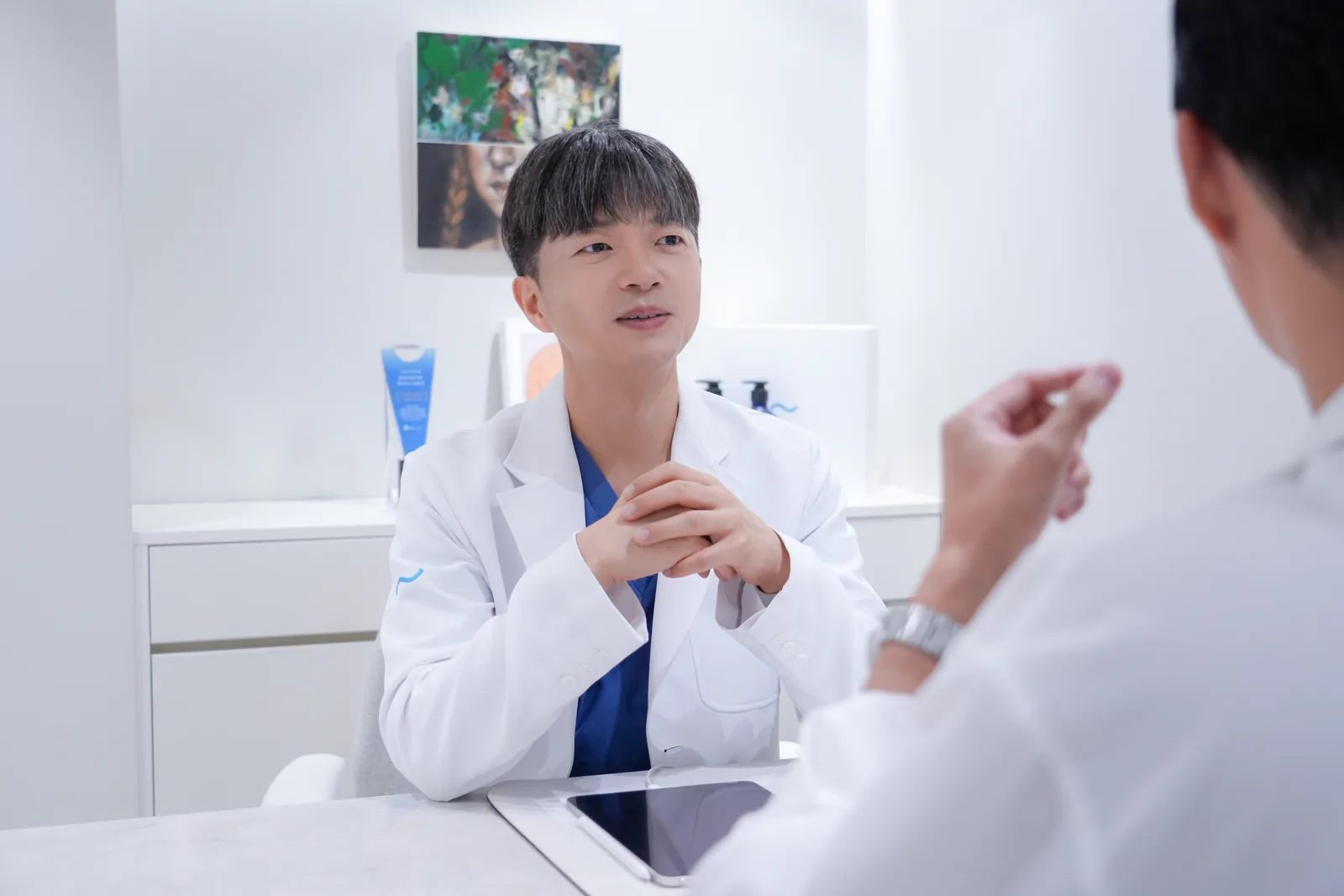
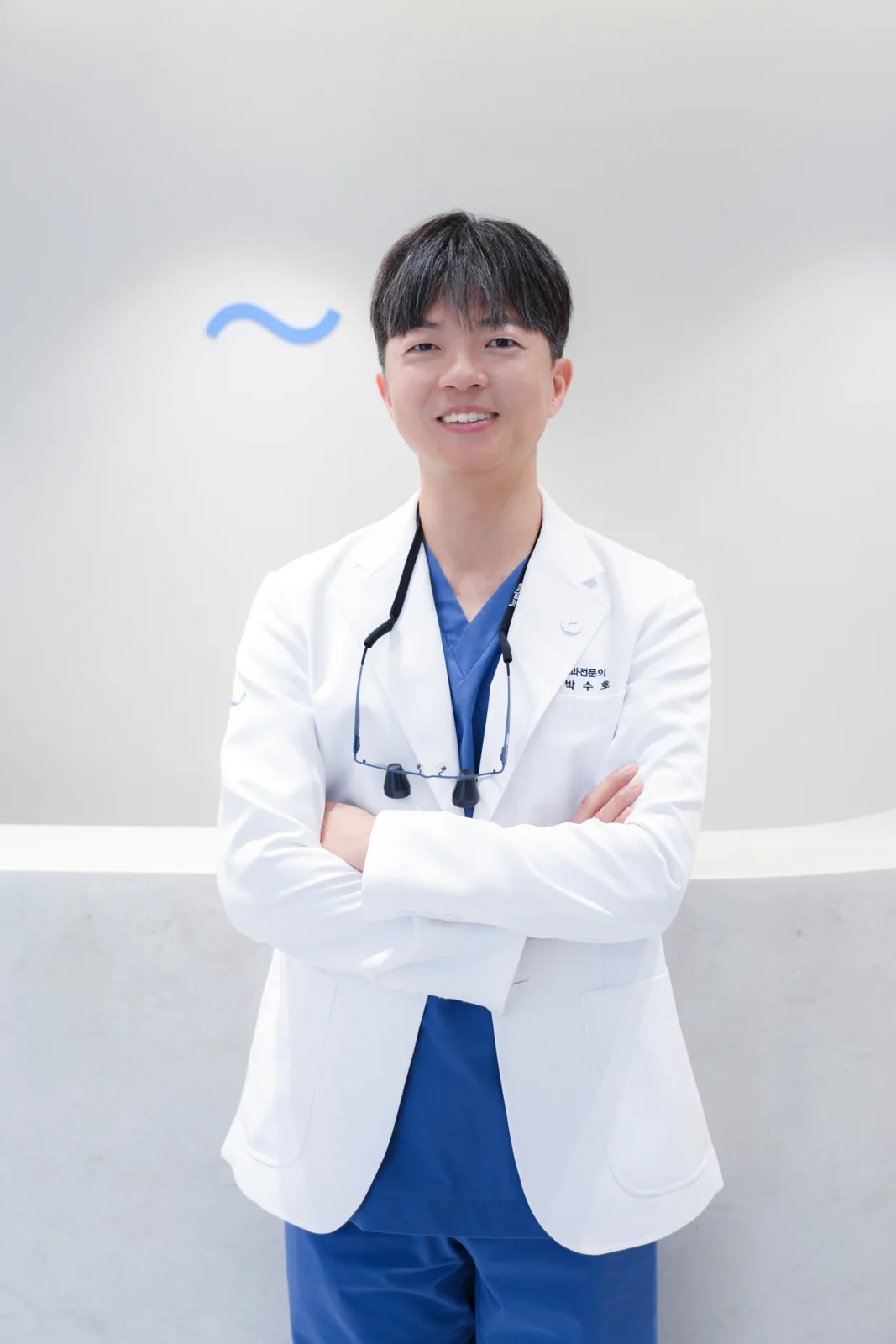
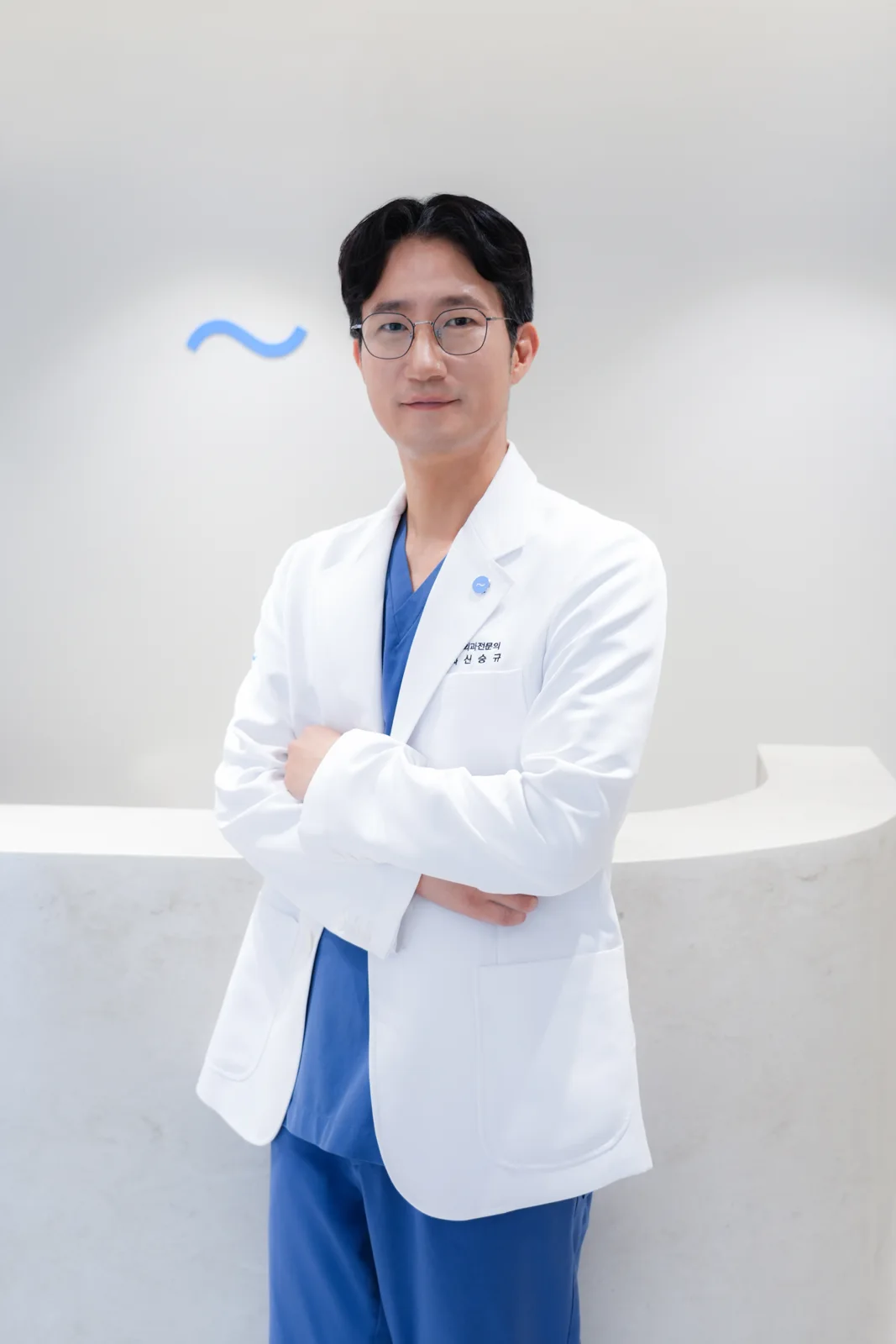
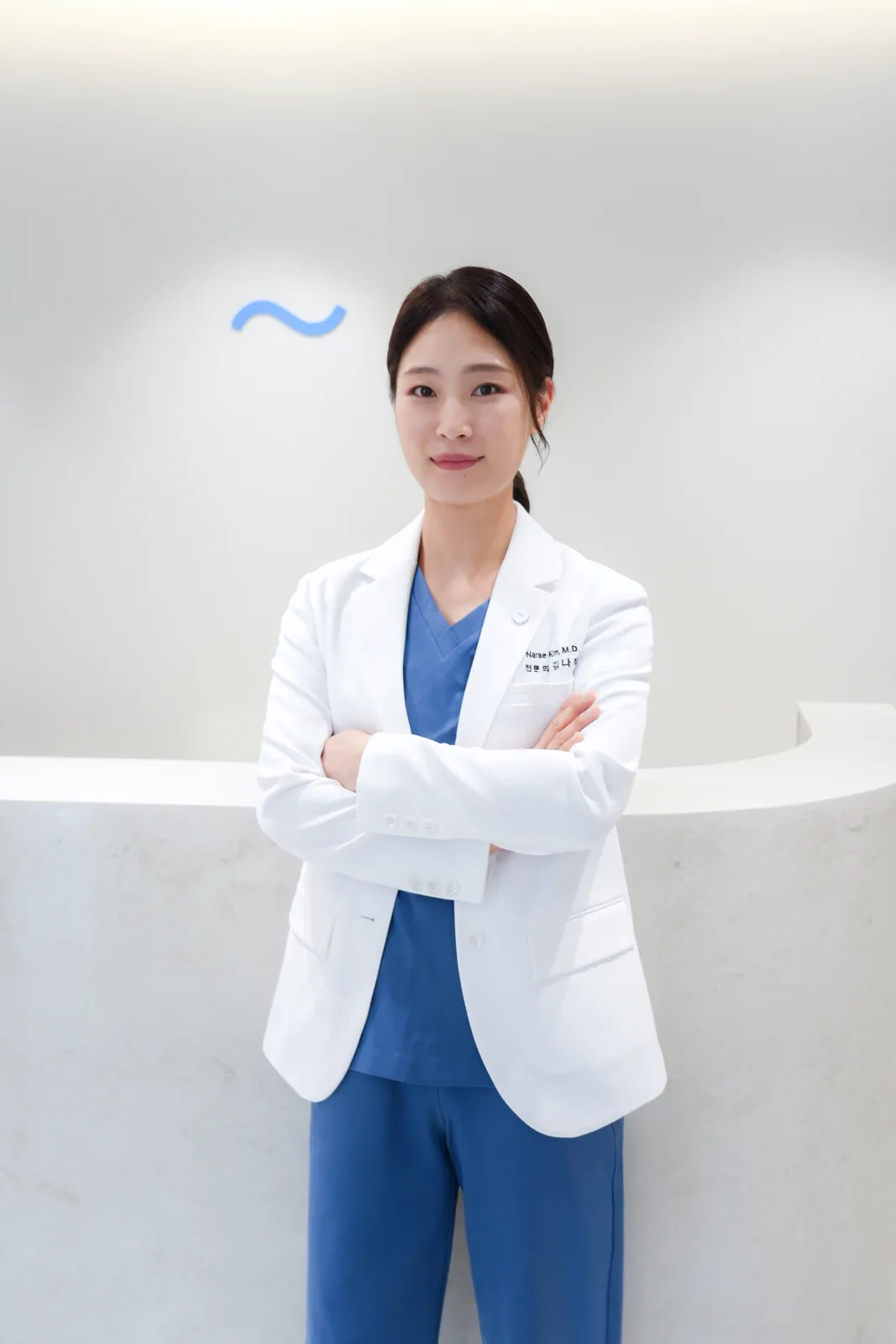
We are often asked which is better between FUT (strip harvesting) and FUE (individual follicular-unit extraction). BANAL does not keep a single answer to that question. The choice differs according to scalp elasticity, donor density at the back of the head, the number of grafts needed, and any prior surgery. The criteria differ for someone who dislikes a linear scar, someone for whom back-of-head volume is important, and someone who cannot lie face down for long.
In crown transplantation, we consider treatments that protect the remaining hair as well as how to allocate the limited follicular units. In revision surgery we start by identifying and explaining what feels awkward. Scars, sideburns, and discomfort caused by strong hair direction each require different considerations.
The goal is not only to add a little more hair. The time spent arranging bangs, worrying at the salon that a scar will be visible, the hand that keeps going to the hair when the wind blows—these everyday matters connect to the many surgical stories in the manuscript.
The full story of our care
Things we want to share fully in the clinic
Jump to topics you are curious about, or read slowly from the beginning. You can continue reading the body here, preserving the manuscript's explanations and tone.
01
Hair Transplant / 01
Strip (Incisional) and Non-incisional
Before choosing FUT or FUE, there are things to examine first: scalp elasticity, donor hair density, previous surgery and everyday habits. We explain why one method is not the right answer for everyone.
You don't need to insist on just one and give up another excellent option
One is not universally superior to the other. Each has advantages and disadvantages, and they are complementary methods where the more appropriate choice depends on the situation. You can compare them to a knife and scissors. The goal is the same — to cut what’s needed — but depending on the situation one tool can be more efficient. There is no need to give up one excellent method.
Rather than a 'good method', find the method that fits me
When deciding between incisional and non-incisional approaches, we don't look at a single condition. We consider scalp elasticity, the thickness and density of donor hair at the back of the head, the amount of grafts needed, and what technique was used previously. Some patients care more about maintaining back-of-head volume, while others absolutely do not want a linear scar. For some, recovery time or pain sensitivity is the priority; for others, reliably securing a large number of hairs is more important.
Therefore, even if the same number of grafts are transplanted, the recommended method can differ from person to person. The goal is not to determine which method is universally better, but to find which method is better for me.
We recommend non-incisional when:
We favor the non-incisional approach when scalp elasticity is poor, when the patient has already had multiple incisional surgeries, when there is a strong fear of incisions, when the patient is sensitive to pain, or when the patient dislikes the idea of a linear scar.
We recommend incisional when:
We favor the incisional approach when the back of the head is flat or lacks density such that volume needs to be restored, when the patient has already had multiple non-incisional procedures, when lying prone for long periods is difficult, or when cost is a significant concern.
Bleeding, infection, swelling, scarring, folliculitis, sensory changes, temporary shock loss (concurrent loss) or less-than-expected graft survival may occur. Preexisting hair loss can continue after transplantation, so long-term management is necessary.
Treating the crown is not just about filling a bare spot. From the start you must plan together: which hairs to preserve with medication, the limited donor resource in the occipital area, the cowlick’s directional flow, and the risk of concomitant shedding.
Treatment planning should be done well from the start.
There are cases that can be improved by surgery, and cases where medical treatment is preferable. We often see people who regret having an ineffective surgery or who are saddened by having missed the appropriate timing for medical therapy.
If it’s not severe, start with medication
Crown hair loss progresses over time, so independently of whether surgery is being considered, the suitability and necessity of medication should be evaluated with the clinical team first. Mild hair loss can often be sufficiently treated with medication alone. Even if surgery is necessary, medication can reduce the surgical area and allow surgery on healthier hair. If medication will be needed anyway, how about trying it for at least six months before deciding on surgery?
Get the maximum effect from the minimum number of follicles
When crown hair loss is present, donor density at the back of the head is also reduced. There are not enough hairs to fill every empty spot completely. You need to distinguish more important from less important areas so you can achieve the maximum effect with the minimum number of hairs. Trying to fill every empty area at the same density may leave you lacking no matter how many hairs you put in. Instead of simply transplanting a large number, consider where transplanting will make the greatest visible improvement.
Limited follicles are a precious resource that must be used sparingly.
Protecting existing hair while transplanting
Crown transplantation is not just about filling empty areas. We place new grafts among existing hairs that have thinned but remain alive. To avoid damaging existing hairs, we carefully determine the density, angle, and direction of newly implanted hairs following the natural flow of hair across the vertex. However, even with the greatest care, temporary concurrent hair shedding of existing hairs can occur.
If severe, this may make the area look sparser than before surgery and sometimes causes such psychological distress that hats or wigs are needed for a period. We understand how difficult it is to endure that time while waiting for recovery. Although it cannot be completely avoided, we examine and implant even more cautiously to reduce that possibility as much as possible.
We do this because we hope the waiting period for results will be a little less painful.
Bleeding, infection, swelling, scarring, folliculitis, sensory changes, temporary shock loss (concurrent loss) or less-than-expected graft survival may occur. Preexisting hair loss can continue after transplantation, so long-term management is necessary.
At first the goal was simply to look better, but later the wish becomes only that the surgery not be noticeable. Revision surgery listens to that wish, identifies the causes of awkwardness, and rediscovers remaining options.
We like performing revision surgery
There are people who underwent surgery with expectations but then suffered for a long time because of unexpected results. They worry every time they look in the mirror, spend time every morning hiding an awkward hairline, and worry about their front hair when the wind blows. They likely began the first surgery wanting to look better, but now their wish may have become simply that others not notice they had surgery.
We like revision surgery because we can help fulfill that small wish.
There are reasons you don’t like the result
There are many reasons patients want revision surgery. Density may be insufficient, the design may look awkward, the hair direction may be wrong, or overly thick hairs may have been placed too far forward. The forehead may still look wide, or a large scar may remain. Sometimes patients can’t precisely say what’s wrong but simply feel it looks awkward and they don’t like it.
In those cases we first identify and explain what specifically makes it look awkward. Simply knowing the reason can relieve some of the frustration. Now we know what to change this time.
If this goes wrong again, the next time is harder
Revision surgery is more difficult than the first operation. Scar tissue from previous surgery makes the tissue firmer, complicating harvesting, follicle dissection, and implantation. Donor hair available at the occiput may already be significantly reduced. In such situations we must think much more carefully about where and how to use the remaining follicles. You have less to use and more to accomplish compared with the first surgery.
If this goes wrong again, the next attempt becomes even harder. That is why revision procedures require more experience and concentration.
I feel glad I do this work
Revision procedures take more time. Working with hardened tissue and operating under restricted conditions places greater physical strain on the practitioner as well. For this reason, revision procedures are often charged at higher rates in general. However, we do not charge an additional fee solely because the procedure is a revision. This policy is distinct from the basic fees for the surgery itself. When we see patients cast off the emotional burden they have carried for so long and truly rejoice in their improved appearance, we cannot help but feel uplifted with them.
I feel glad I do this work. I will accept that sense of reward in place of charging more.
So you can do the hairstyle you want again
The goal of revision surgery does not always have to be a perfect hairline. It can be reducing morning styling time, worrying less when the wind blows, being able to tie or sweep back the hair without fearing others will notice an odd hairline. I like revision surgery because it can return those ordinary daily things to people.
Bleeding, infection, swelling, scarring, folliculitis, sensory changes, temporary shock loss (concurrent loss) or less-than-expected graft survival may occur. Preexisting hair loss can continue after transplantation, so long-term management is necessary.
Scars you’ve long hidden by growing your hair out. First, I want to let you know that hair transplantation can be considered even for scars. We discuss tissue conditions, the team’s experience, the possibilities for improvement, and the procedure’s limits together.
I wish more people knew about this
Some people have kept their hair long for a long time to hide a scar. They worry when the wind blows, fret each time they go to the hairdresser that the scar might show, and give up hairstyles they would like to try. Yet in consultations I often meet people who are surprised to learn for the first time that hair can be transplanted into scar tissue. Many who hid their scar for years and only later discovered scar transplantation then happily underwent surgery and were truly pleased with the result.
When that happens I feel really good, but at the same time a little regretful — if only they had known a little earlier… So I hope more people who have struggled for a long time because of a scar become aware of scar transplantation.
At some point, graft survival in scars improved
In the past we thought scar tissue itself was stiff and the skin over scarred areas tore easily, making dense implantation difficult. We were taught that scars lacked blood vessels and therefore had lower graft survival, so we planted at much lower density, and that's how we did it. But now we achieve good graft survival even when implanting at higher densities. Looking back, it just happened over time.
Time and experience enable you to do what you were once told was not possible. Because the blood flow and tissue condition of scars vary, the degree of graft take and improvement also varies; I explain the feasible range after examination. Experience may not give you a single correct answer so much as broaden the range of what you consider possible.
Depending on the condition of the scar tissue, we may also consider a preparatory step using an erbium glass fractional laser before implantation. This is equipment the clinic uses to support graft survival in scar transplantation, but it is not necessary for every scar and does not guarantee graft survival or any particular outcome. Whether it is applied and at what treatment intervals is explained after examination.
It takes a long time to gain experience
Revision surgery and scar transplantation are not procedures you can perform every day. Moreover, it takes a long time to assess surgical results. That means it also takes a long time to accumulate experience. I have approached scar surgery with the mindset of finding the range of improvement possible from the current condition. Seeing patients who suffered for a long time about the appearance they wanted to hide and then feel better makes me feel satisfied even if I skip a meal.
I'm glad I kept doing this surgery. I will not be complacent and will always strive so you can smile more brightly.
We do not charge an additional fee simply because the procedure is a scar surgery. This principle applies to extra charges that might otherwise be added on top of the basic surgical fee specifically for scar procedures. We separately explain the necessary treatment scope and what is included.
Bleeding, infection, swelling, scarring, folliculitis, sensory changes, temporary concurrent shedding, or graft take below expectations may occur. Preexisting hair loss may progress after transplantation, so long-term management is needed.
The side profile revealed when you tie or sweep your hair back is part of the hairline. I explain why the low angle and flow of the hair that forms the sideburns, and the placement of single hairs, are important.
When the side profile changes, the impression changes
The hairline does not end at the forehead. When the sideburns that continue along the temples are connected naturally, the contours of the face are completed. When the frontal and lateral hairlines are arranged, the face looks smaller and the features appear more distinct. This area is easy to overlook but is important for completing facial proportions.
Small differences determine the level of finish
The lateral area can look awkward from even a slight lift of the hair or a very small angle difference. Sideburns must match the direction and flow of hair along the facial line, so the procedure is technically and aesthetically demanding. The difference in experience and aesthetic sense determines how natural the finished sideburns look.
Even though it's a difficult operation, I keep recommending it
Sideburn transplantation is actually a fairly demanding procedure for the operator. For the hair to appear as if it grows attached to the face naturally, it must be planted at a very low angle, almost lying flat. Maintaining the same posture for a long time during the procedure puts considerable strain on the wrist. Compared with follicular units that produce several coarse hairs at once, single-hair grafts are often needed to create a natural boundary.
That means selecting, splitting, and implanting grafts takes more time. So it is not a comfortable operation. Yet during consultations I often find myself recommending sideburn transplantation first. I think it’s because the change I envision after surgery is more noticeable than the extra difficulty during the operation. I will likely continue to recommend sideburns to patients who I think they will suit.
Sideburns that disappeared after a facelift
After a facial lift, some people feel their face looks flatter than before. This is because, as the face is lifted, sideburns are pushed back and diminished. Re-creating those lost sideburns restores the three-dimensionality of the face that had been forgotten. Even for people who originally had few sideburns, a little reinforcement by hair transplantation along the lateral line can, together with the lift, make facial contours appear more distinct.
Bleeding, infection, swelling, scarring, folliculitis, sensory changes, temporary concurrent shedding, or graft take below expectations may occur. Preexisting hair loss may progress after transplantation, so long-term management is needed.
Hair direction that refuses to cooperate no matter how often you wash, dry, and press it. Correcting a cowlick is not simply adding hairs; it is coordinating existing hair with a new directional flow.
We understand the discomfort
The cowlick, commonly called a 'cow-licked' area, may look like a small difference in hair direction to others. But for the person affected it is a daily recurring nuisance. Washing the hair, drying it, pressing it down, arranging the direction — a significant portion of the time spent getting ready to go out is devoted to that one spot. Some people live their whole lives only styling their hair in one direction and give up hairstyles they would like to try.
This surgery is not just about increasing hair count
Cowlick correction is somewhat different from surgery that simply fills a sparse area. We implant hair in a new direction between hairs that strongly grow in one direction to gradually change the overall flow. It is important that the existing hairs and the newly implanted hairs do not appear separate but blend naturally. A hairline is not a line but a flow of hairs.
We consider the inconvenience of every morning
Compliments about looking prettier are nice, but we also place importance on changes that make daily life a bit easier. We consider the time spent each morning arranging hair direction and the discomfort that had been accepted as normal for a lifetime.
Depending on the cowlick’s direction and the strength of existing hair, there may be limits to correction. We cannot guarantee complete correction or a specific hairstyle.
We don't consider it a trivial inconvenience
A cowlick is not necessarily a problem that must be treated. For that reason some people do not pursue correction aggressively. But for someone who has been worrying about the same spot for decades, it may by no means be a small issue. Our aim in correcting cowlicks is not necessarily to eliminate them completely, but to get patients to a point where they no longer have to worry about them.
Bleeding, infection, swelling, scarring, folliculitis, sensory changes, temporary concurrent shedding, or graft take below expectations may occur. Preexisting hair loss may progress after transplantation, so long-term management is needed.
When you want a change but hesitate because you worry the surgery will be obvious. Long‑hair transplantation is an option that considers not only the result but also your mental comfort from the moment after surgery through recovery.
The Choice Not to Cut Your Hair
When planning surgery we also consider everyday burdens. The reasons people want change but hesitate to start are similar. Some who worried that surgical changes might be obvious to those around them finally feel relieved upon learning they can be transplanted with long hair. Whether with incision or incisionless methods, long-hair transplantation can make beginning a change a little more comfortable.
Naturalness Starts Immediately After Surgery
I hope the moment you face the mirror after a hair transplant feels comfortable. Rather than spending time hiding while waiting to look natural, we consider ways to reduce the burden of appearance changes and returning to daily life during recovery. You may need to adjust your schedule because of swelling and wound care. I wish not only the results but also the emotional experience of going through that time to be comfortable.
Even the Time Going Through the Dark Period
About a month after a hair transplant there is a period when the transplanted hair temporarily falls out. For that reason, some think transplanting with long hair is pointless because it will eventually fall out. But for some people even that month is precious. Simply having the longer transplanted hairs remaining can help them get through that period a little more comfortably.
Bleeding, infection, swelling, scarring, folliculitis, sensory changes, temporary accompanying shedding, or suboptimal graft take may occur. Preexisting hair loss can progress after transplantation, so long-term management may be necessary.
Consultation criteria summarized from the manuscript
01
We look at the remaining hair first
For areas like the crown where hair loss is progressing, we can first assess the suitability and likely response to medication. We look not only at where to add hair but also at the hair to be preserved.
02
The occiput is a limited resource
We do not look only at the number of grafts needed but also at the hair to be left, prior harvesting and scars, and the possibility of future treatments. We distinguish and confirm the number of individual hairs and follicular units (grafts).
03
We explain the limits of naturalness as well
Possible changes differ depending on hair thickness, direction, and the condition of scar tissue. We confirm together the desired appearance and the range of what can be expected.
This is an edited version composed based on clinic-provided clinical manuscripts. We preserved the original explanations and tone where possible, and adjusted expressions that assert outcomes and cost policies to match public guidance. Articles whose individual authorship has not been confirmed are labeled as BANAL medical staff manuscripts. Final medical verification is pending.
A decision made after sufficient explanation
Decide with full information
Bleeding, infection, swelling, scarring, folliculitis, sensory changes, temporary shedding, or suboptimal graft survival may occur. Existing hair loss can continue after transplantation, requiring long‑term management.
Your questions, answered
Hair Transplant · FAQ
01Which is better, strip or punch?
There is no single always‑better method. We decide by evaluating occipital donor condition, graft needs, scar preference, and prior surgeries.
02Does punch mean no scars?
No. Small dot‑shaped scars may remain, and visibility varies with harvest extent and hair length.
03Can hair transplant stop hair loss progression?
Hair transplant relocates follicles. It is different from treatments that prevent progression of existing hair loss, so separate management may be necessary.
04Does crown hair loss require immediate surgery?
It depends on progression and response to medical therapy. Sometimes medical treatment is recommended before surgery.
05Can I consult about revision surgery?
Yes. We will review prior surgery details, scars, and remaining donor follicles and discuss possible improvements.
06Are graft count and follicle count the same?
They are different. A single follicular unit can produce multiple hairs, so confirm which unit is being referenced during consultation.
07Is it okay if I had surgery at another clinic?
You can consult. Bringing any records of previous surgery methods, timing, and graft counts helps evaluation.
08Is transplantation difficult if occipital hair is limited?
Donor resources may be limited. Rather than excessive harvesting, plan with long‑term donor condition in mind.
09What should I prepare before consultation?
Prepare details of the change you want, current medications, and past surgeries or medical history. Photos of your usual hairstyle or past photos can help.
10Do I have to decide on surgery the day of consultation?
No. Take time to understand expected changes, limitations, risks, and costs before deciding.
11Who performs the surgery?
At BANAL, the operating surgeon is responsible from design to completion. Confirm the assigned surgeon and surgical scope during consultation.
12How long does the surgery take?
Duration varies by method, scope, graft count, and past surgical history. We provide an individualized estimate after consultation.
13What about pain and anesthesia?
We explain an anesthesia plan tailored to the procedure and individual. Pain varies by person; inform us of past anesthesia experiences and drug allergies.
14Can I return to daily life immediately?
Depends on the procedure, your job, swelling and wound healing. Discuss timelines for return to work, exercise, and wearing hats during consultation.
15When can I shampoo?
Care instructions vary by surgical site and method. Follow the timing and cleansing methods provided by the clinic.
16When are results evaluated?
Hair growth and wound healing take time. Do not judge by immediate post‑operative appearance; follow the clinician's follow‑up schedule for assessment.
17Should I stop my medications before surgery?
Do not stop medications on your own. Tell medical staff about prescriptions, supplements, and allergies so they can advise on adjustments.
18How do I check costs?
Costs vary by planned method, scope, and graft count. Call the main number or consult in person to confirm itemized costs and included care.
19Can I consult if I live abroad?
Yes. Before visiting, inform the clinic of desired consultation language and possible travel dates. Confirm interpreter availability and post‑operative care plans in advance.
20What if I have uncomfortable symptoms after surgery?
Contact the clinic using the details provided. For sudden severe pain, ongoing bleeding, breathing difficulty, or other urgent symptoms, seek emergency care immediately.
This is an edited version composed based on the clinic-provided manuscript. Quotations in the manuscript that introduce medical staff use the provided wording. Medical staff and translations require verification before publication.